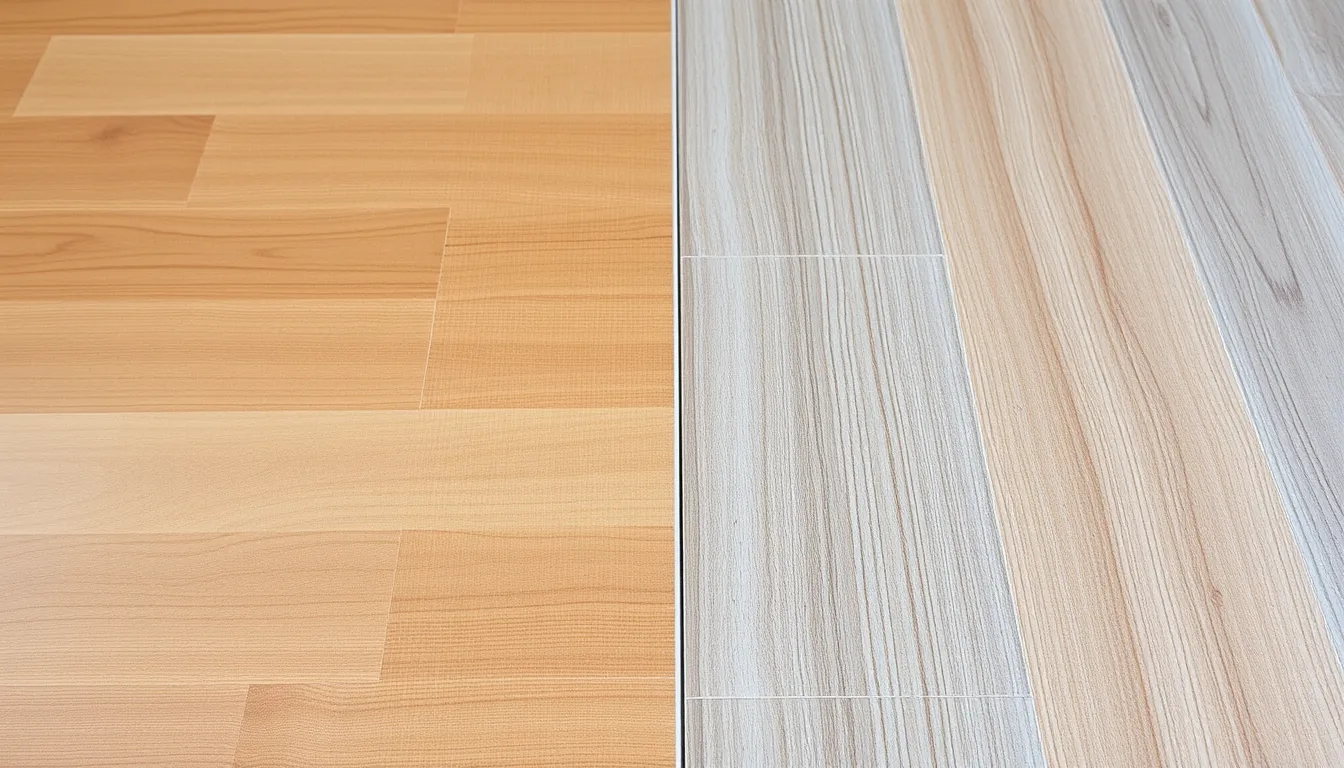
If you’re planning a new floor or replacing an old one, this guide is for anyone who wants a straightforward, fact‑based look at the practical differences between hardwood and laminate options. It speaks to homeowners, renters, and DIY‑oriented shoppers who need clear guidance without marketing hype.
Within the next few minutes you’ll learn how the material makeup—solid wood, engineered hardwood, or laminate with its core layer and wear layer—affects appearance, durability, maintenance, and long‑term value. By the end, you’ll be equipped to weigh aesthetics, performance, and budget to decide which side of Hardwood vs. Laminate Flooring: Key Differences aligns with your lifestyle.
Understanding Hardwood and Laminate Fundamentals
What is hardwood flooring?
Hardwood flooring is a natural‑wood product made from either solid wood planks or engineered hardwood boards. Solid wood consists of a single piece of timber, while engineered hardwood has a top veneer of real wood bonded to multiple layers of plywood or high‑density fiber for added stability. The surface receives a finish that protects the wood and enhances its grain. Homeowners choose hardwood for its authentic grain, the ability to refinish and restore the surface, and the way it can increase a home’s resale value. Typical installations include living rooms, dining areas, and master bedrooms where the visual impact of real wood is most desired.
What is laminate flooring?
Laminate flooring is a composite product built around a dense core layer—usually high‑density fiberboard—covered by a photographic layer that mimics wood, stone, or tile. A clear wear layer protects the design from scratches and wear, and an underlayment is often added for cushioning and moisture buffering. Laminate’s appeal lies in its affordability, ease of installation, and high moisture resistance when paired with proper underlayment. It is commonly used in high‑traffic zones, basements, and homes where budget constraints or DIY ambitions drive the decision.
Material Composition and Construction Details
Core and backing layers
Solid wood flooring consists of a single piece of hardwood milled from a tree trunk. Its thickness—typically ¾ in.—provides inherent strength, but the material expands and contracts with humidity because there is no internal stabilizing structure.
Engineered hardwood improves on this by bonding a thin veneer of real wood to multiple core layers of plywood or high‑density fiberboard. The cross‑oriented layers counteract movement, making the floor more dimensionally stable in fluctuating environments. A backing layer of melamine or similar material adds moisture protection and helps lock the planks together.
Laminate flooring’s core is a dense HDF (high‑density fiberboard) panel that forms a rigid, flat substrate. A separate backing layer, often melamine‑impregnated paper, shields the core from moisture and adds structural support. Because the core is uniform and engineered for stability, laminate tolerates temperature and humidity changes better than solid wood, though it lacks the natural resilience of real timber.
Wear layer and surface finish
In engineered hardwood, the top veneer is finished with a clear finish—typically polyurethane or aluminum oxide—applied directly to the wood surface. This finish can be sanded and refinished a limited number of times, extending the floor’s life.
Laminate’s decorative layer sits over the core and is sealed with a transparent wear layer. The wear layer is a resin‑based coating that resists scratches, stains, and fading. Unlike hardwood, it cannot be sanded; once the wear layer thins, the plank must be replaced.
Appearance, Texture, and Design Flexibility
When choosing between hardwood and laminate, the visual impact is often the first deciding factor. Both can mimic a wide palette of wood species, but the way that appearance is achieved differs significantly.
Real wood grain vs printed designs
Hardwood showcases authentic grain patterns that vary naturally from board to board, giving each plank a unique character. The depth of color and subtle variations are inherent to the species—whether it’s the warm glow of oak or the rich tones of walnut. Laminate, on the other hand, relies on high‑resolution photographic printing to replicate those patterns. Modern printing can reproduce a convincing wood look across a broad color range, but the design is uniform; the grain does not shift under different lighting conditions as it does with genuine wood.
Texture and hand‑feel
Hardwood offers a solid, tactile surface that feels warm underfoot and responds to touch; the natural wood fibers provide a slight give that many find comforting. Some engineered hardwoods retain this feel while adding dimensional stability. Laminate’s surface is smoother and more rigid because the decorative layer sits on a dense core. While a clear wear layer can add a subtle sheen, the hand‑feel remains more plastic‑like, lacking the natural warmth of real wood. This difference can influence both comfort and perceived quality in a room.
Performance, Durability, and Maintenance
Scratch and dent resistance
Hardwood’s surface is a natural wood layer. It can be sanded and refinished, which helps remove shallow scratches, but deep dents from heavy furniture or pet claws remain visible. Engineered hardwood behaves similarly because the top layer is real wood.
Laminate relies on a hard wear layer that is typically more resistant to surface scratches. Because the decorative image is protected by a clear resin, everyday wear often stays invisible. However, the wear layer cannot be sanded; once it’s breached, the damage is permanent.
Moisture and humidity considerations
Solid wood expands and contracts with changes in humidity. In high‑moisture areas it may cup or warp, so a stable subfloor and proper acclimation are essential. Engineered hardwood’s multiple layers reduce movement, making it a better choice for basements or above‑grade installations where humidity fluctuates.
Laminate’s core is dense fiberboard that is more dimensionally stable, but it is vulnerable to water penetration. Standing water can cause swelling and delamination, so moisture‑resistant underlayment and quick cleanup are critical.
Cleaning and upkeep routines
Hardwood benefits from regular sweeping or vacuuming and occasional damp‑mopping with a wood‑safe cleaner. Refinishing every few years restores the finish and extends life.
Laminate requires only dry‑mopping or a slightly damp mop; excessive water can damage the core. No refinishing is possible, so the wear layer’s durability determines the long‑term look.
Cost, Installation, and Long‑Term Value
Material and labor costs
Hardwood—solid or engineered—carries a higher material price because it is natural timber. Laminate, composed of composite core layers topped with a wear layer, is less costly per square foot. Installing hardwood often requires sub‑floor preparation, acclimation, and nail or glue application, adding labor time and skill. Laminate’s click‑lock system reduces labor, though a quality underlayment remains necessary.
DIY vs professional installation
DIY‑savvy homeowners can install laminate relatively easily; the floating floor method is forgiving. Hardwood installation, especially solid wood, typically needs nailing or careful gluing, making professional help advisable for a seamless result. Engineered hardwood is more tolerant of DIY work but still benefits from an experienced installer to manage alignment and moisture.
Resale and lifespan considerations
Buyers often view hardwood as a premium feature because it can be refinished and ages well, enhancing resale value. Laminate offers a durable appearance at a lower entry cost, but its lifespan is limited to the wear layer; once worn, replacement is required. A well‑maintained hardwood floor can outlast laminate and boost a home’s market appeal, while quality laminate remains attractive in budget‑focused markets.
Frequently Asked Questions
Can laminate flooring be refinished like hardwood?
Laminate has a photographic surface bonded to a wear layer. Because the top layer is not solid wood, sanding or refinishing it is not possible. When the wear layer is worn through, the usual remedy is to replace the affected planks or the entire floor.
Is either flooring better for homes with pets?
Both options can handle pet traffic, but they differ in how they respond to claws and accidents. Hardwood may show scratches from sharp nails, though a tougher species or a high‑quality finish can reduce this. Laminate resists scratches well because the wear layer is designed for durability, and it is less prone to staining from pet urine if the seams are properly sealed.
How do the environmental impacts compare?
Hardwood sourced from responsibly managed forests can be a renewable resource, especially when certified by programs such as FSC. Engineered hardwood uses less solid wood but still contains a veneer of real wood. Laminate is made from composite wood fibers and plastic resins; it typically has a lower upfront carbon footprint but is harder to recycle. Choosing products with recycled content or low‑VOC adhesives can improve sustainability for either material.
What should I know about warranties?
Most manufacturers offer a limited warranty that covers the wear layer for a set number of years and the core construction for a longer period. The warranty may be voided if the floor is installed over an unsuitable subfloor or if improper adhesives are used. Always check whether the warranty requires professional installation and keep documentation of the purchase and installation.
Leave a Reply